 how-to
Cost of Custom Framing Original Art: What You'll Pay
Quick Summary
Custom framing for original art is priced by frame size, moulding, matting and glazing, so the final cost depends on how much protection and presentation your piece needs. A 16 × 20-inch piece varies widely by tier and materials chosen. Ask for an itemized quote to compare prices fairly.
- Size is the biggest cost driver, since moulding, glass and mat board are priced by length or area.
- Frame moulding is priced by the linear foot, and solid wood or metal costs more than stock wood.
- UV-filtering glazing costs more but helps slow fading in paper works and brightly colored paintings.
- Archival, acid-free mat board and backing cost more but reduce yellowing, staining and paper deterioration.
- Request an itemized quote for the same specifications from each framer before comparing totals.
Table of Contents
- What Custom Framing Original Art Typically Costs
- How Artwork Size Affects the Price
- Frame Materials, Matting, and Glazing Choices
- Conservation Framing for Valuable Original Art
- How Much Custom Framing Costs at Michaels and Hobby Lobby
- Estimating Your Framing Cost With a Calculator and an Itemized Quote
- Booking Your Framing and Protecting Your Investment
- Frequently Asked Questions
What Custom Framing Original Art Typically Costs
Last Updated: November 10, 2026
Custom framing for original art is priced by frame size, moulding, matting and glazing. Collectors often ask the same question: what should the framing actually cost? The answer depends on how much protection and presentation your piece needs.
Framing prices for a 16 × 20-inch piece vary widely by tier and by the materials chosen.
Choices in framing materials can affect how well valuable or sentimental work is protected.
Treat any single price as a starting point. Your final quote will reflect the piece's size, the materials chosen and how carefully the work must be protected.
Typical framing cost for a 16 × 20-inch piece by tier
How Artwork Size Affects the Price
Size is the biggest driver of framing cost, because moulding, glass and mat board are all sold and cut by length or area. Larger pieces need more material and more labor, and they also cost more to glaze safely.
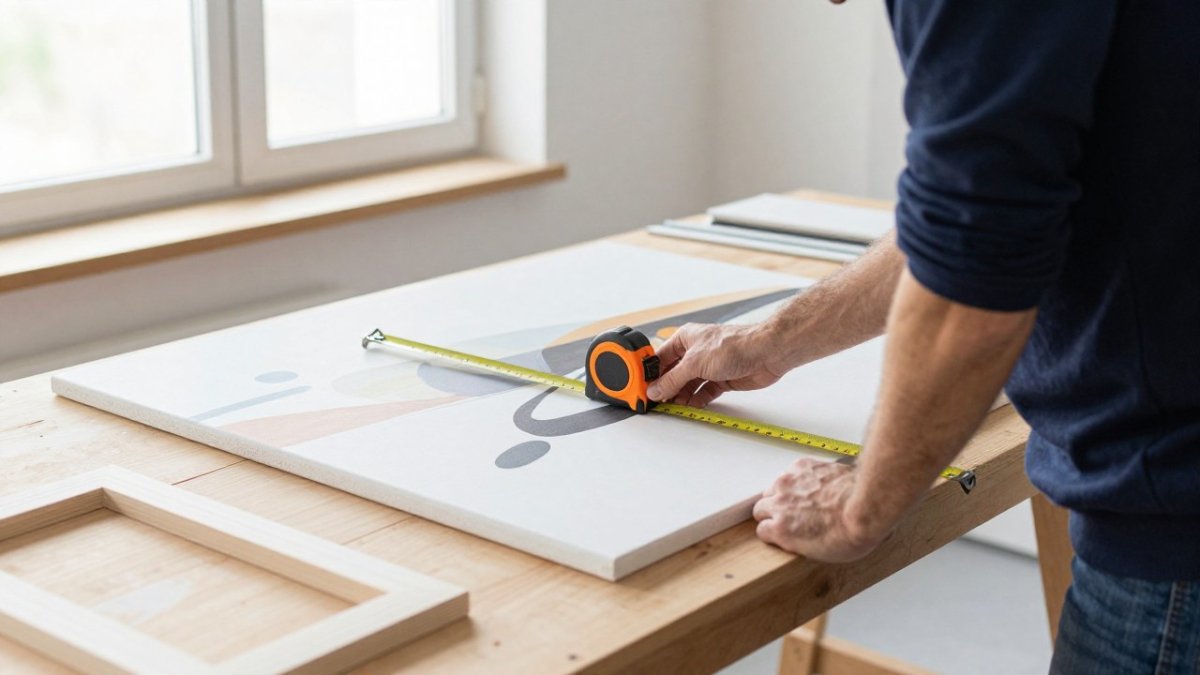
Oversized canvases add another layer, since they may need a custom stretcher or a floater-style frame.
Pricing per square foot is one way to compare quotes, but it is not the whole story. A framer may charge a flat rate for small pieces and a higher rate per foot once the frame passes a certain length. Ask for the calculation behind any quote.
If you are framing a large canvas, our guide on framing large abstract canvas prints walks through the sizing and process steps.
Frame Materials, Matting, and Glazing Choices
Frame, mat and glass choices account for much of the difference between a budget quote and a premium one. Each component adds cost, and each affects how well the artwork is protected and displayed.
Frame moulding is priced by the linear foot. Solid wood, metal and custom profiles cost more than stock wood frames. A floater frame, which holds the artwork slightly away from the frame edge, can suit abstract and canvas work, and it changes both the look and the price.
Mats protect the artwork from direct contact with the glass and add visual space. Matting is often one of the more affordable upgrades, but archival, acid-free board costs more than standard board. Double mats add cost because they require an extra layer of cutting and fitting.
Glazing ranges from standard clear glass to UV-filtering glass and acrylic. UV-filtering options cost more and help slow fading, which matters for paper works and brightly colored paintings. Acrylic is lighter and shatter-resistant, though it can scratch more easily than glass.
For a deeper look at these decisions, read how to frame original fine art and how to frame abstract canvas art properly. Our piece on the benefits of a floater frame for abstract art covers when that style makes sense.
Conservation Framing for Valuable Original Art
Conservation framing uses materials chosen to protect the artwork over time. For valuable original art, protective materials can help reduce damage from acidic board, direct light or moisture.
Conservation work typically includes acid-free and lignin-free mat board, archival backing, UV-filtering glazing and sealed corners that limit humidity exposure. These components cost more than standard materials, but they reduce the risk of yellowing, staining and paper deterioration.
Before deciding how much to spend, consider what the piece is worth to you. Our guide on determining the market value of original art explains how to estimate value before you commit to protective framing.
Ask your framer directly whether each material is archival, and request that it be named on the quote.
How Much Custom Framing Costs at Michaels and Hobby Lobby
Big-box craft retailers offer custom framing in many locations. Because pricing is set by individual store and by current promotions, the most reliable approach is to request a quote for your exact specifications rather than relying on a published average.
The main variable at these shops is the materials package. For an original painting or a work on paper, the critical questions are whether the shop offers acid-free, lignin-free mat board and UV-filtering glazing, and whether those are included or listed as paid upgrades. Upgrading these components is often the difference between a quote that suits decorative prints and one that protects valuable work. Choosing acid-free, lignin-free boards and UV-filtering glazing is an investment in the work’s future, much like weighing lasting value with a buyer's guide to art value.
Turnaround and service scope also differ from specialty framers. Ask whether the quote includes mounting and whether the artwork will be kept off the glass.
To compare fairly, submit the same specification to each shop: identical dimensions, identical mat and glazing choices, and a request for an itemized quote showing frame, mat, glass, labor, and any rush fee. A quote that looks lower often omits archival materials or the glazing you need, so check the line items before comparing totals.
Estimating Your Framing Cost With a Calculator and an Itemized Quote
Online framing calculators give a fast ballpark by letting you enter artwork size, frame style, mat, and glazing. They are useful for setting a budget, but the result is an estimate, not a final price, because most calculators do not account for mounting method, custom depth, or rush fees.
A reliable quote is built from separate components, and seeing each line shows where the money goes. Here is how a sample quote for a 16 x 20-inch original painting might be structured, with illustrative figures in USD that you should replace with your own framer's numbers:
- Frame moulding (priced by linear foot, including cuts and corners): the largest single line on most quotes.
- Mat (one standard mat, or two if you want a double mat, each requiring an extra cut and fit): an upgrade to archival board adds a visible increment.
- Glazing (standard clear, UV-filtering, or acrylic): UV-filtering and acrylic cost more than standard glass.
- Backing and mounting (archival backing and the mounting method used to hold the work): often overlooked but important for original art.
- Labor and any rush or delivery charge.
Changing one choice shows its effect. Moving from standard glass to UV-filtering glazing or from a standard mat to archival board raises only those lines, so you can see exactly what protection costs and decide where to spend.
Watch out: a quote that does not list the backing and mounting separately may hide the cost of the method used to hold a fragile piece, so ask for those lines explicitly.
Use the calculator to set a range, then request an itemized quote for the final decision, and compare the totals only after confirming that each specification matches.
The article breaks a sample quote into separate line items, so you can see where each part of the cost comes from.
| Quote line | What it covers | Note |
|---|---|---|
| Frame moulding | Priced by linear foot, including cuts and corners | Usually the largest single line |
| Mat | One standard mat, or two for a double mat | Archival board adds a visible increment |
| Glazing | Standard clear, UV-filtering, or acrylic | UV-filtering and acrylic cost more |
| Backing and mounting | Archival backing and the mounting method | Often overlooked; ask for it separately |
| Labor and fees | Labor, plus any rush or delivery charge | Confirm whether rush fees apply |
Booking Your Framing and Protecting Your Investment
Once you have an itemized quote, compare it against your budget and the value of the artwork. Choose the components that protect the piece most, then adjust decorative choices like frame color or double mats to fit the rest of the budget.
Plan for ongoing care as well. Keep framed works out of direct sunlight, away from bathrooms and kitchens, and dust the glazing gently. Inspect the frame and backing periodically for signs of moisture or pests.
If you want help choosing a frame for an original painting from our collection, you can shop Susan Fielder Art's original paintings to find a piece that suits your space. For current framing costs and options, contact your framer directly or review the quote details before you book.
Frequently Asked Questions
How much does it cost to custom frame original art?
Custom framing cost for a 16 x 20-inch piece depends on the tier, moulding, mat style, and glazing you choose. Final pricing depends on frame moulding, mat style, glazing type, and labor. Ask for an itemized quote so you can see exactly which choices drive the total before you approve the work.
What factors affect the cost of custom framing?
The biggest cost drivers are artwork size, frame moulding width and material, the number and type of mats, glazing (standard glass, UV-filtering glass, or acrylic), backing and mounting materials, and labor. Conservation-grade materials add cost but protect valuable pieces. Each choice can shift the total, so compare quotes line by line rather than only comparing the bottom-line figure.
How much does it cost to frame a painting at Michaels or Hobby Lobby?
Published pricing for custom framing at large craft chains varies by region, frame selection, and promotions, so check the current price at your local store or on its website before you visit. For valuable or sentimental original art, ask whether any framer offers conservation-grade materials and request an itemized quote.