 how-to
How to Commission Custom Abstract Art: A Step-by-Step Guide
Last Updated: November 5, 2026
Quick Summary
To commission custom abstract art, first send a short note describing your space and the feeling you want, then hold a consultation on size, colors and budget. Agree on the brief and price in writing, pay a deposit of 30 to 50 percent, review sketches or progress photos, and pay the balance before delivery. Large original works usually take 6 to 10 weeks.
- Send a short note describing your space and the feeling you want first.
- Deposits commonly run 30 to 50 percent of the total price.
- Large original commissions usually take 6 to 10 weeks.
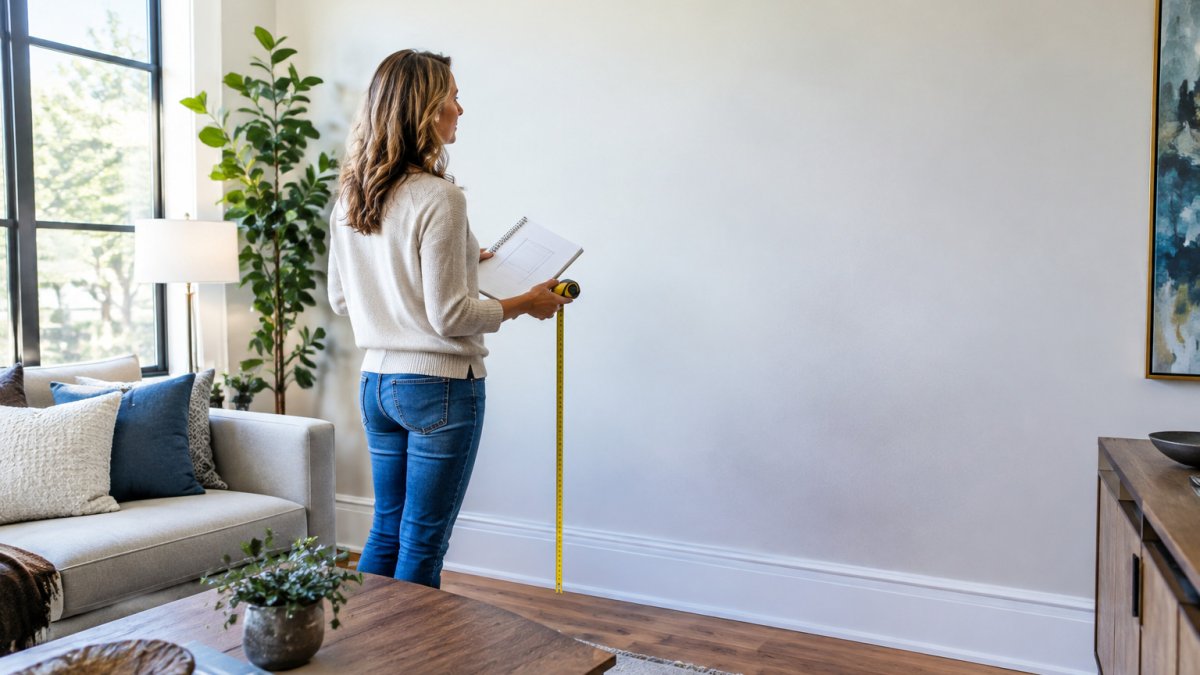
- Share a photo of the room with the wall marked to show scale.
- Get the deposit, balance and cancellation terms in writing before paying.
Table of Contents
- How the Commission Process Works, Step by Step
- Defining Your Concept, Room and Artistic Direction
- Custom Abstract Painting Cost: Budget, Deposits and Payment
- Abstract Art Commission Process: Timeline From Start to Delivery
- Art Commission Timeline and Revision Limits
- Your Commission Agreement, Rights and Artist Vetting
- Book Your Custom Piece With Susan Fielder Art
- Frequently Asked Questions
How the Commission Process Works, Step by Step
Commissioning custom abstract art at Susan Fielder Art usually takes 6 to 10 weeks for large original work, according to Berta Art trade guide on commissioning custom art. Here is how the process typically unfolds, from your first message to the day the painting arrives at your door.
Most commissions follow the same basic path. You make contact, share your ideas, agree on terms, pay a deposit, wait while the artist works, and then review the piece before final payment.
The typical steps:
- Step 1: Make first contact. Send a short note describing the space and the feeling you want.
- Step 2: Hold a consultation. Talk through size, colors, and budget.
- Step 3: Agree on the brief and price. Put the details in writing.
- Step 4: Pay the deposit. Deposits commonly run 30 to 50 percent of the total price, per Still Space Studio journal on commissioning abstract paintings.
- Step 5: Review progress. Expect sketches or photos before the piece is finished.
- Step 6: Approve and pay the balance. Final payment usually comes before shipping.
Watch out: Don't pay the full amount up front. A deposit protects both sides, but the balance should only be due once you have approved the work.
Here is a quick summary of the typical steps and when each one happens.
| Step | What to do | Time or frequency |
|---|---|---|
| Step 1: Make first contact | Send a short note on space and feeling | At the start |
| Step 2: Hold a consultation | Talk through size, colors and budget | After first contact |
| Step 3: Agree on brief and price | Put the details in writing | Before any payment |
| Step 4: Pay the deposit | Pay 30 to 50 percent of total price | Before work begins |
| Step 5: Review progress | Check sketches or photos | Before finishing |
| Step 6: Approve and pay balance | Confirm the work, then pay the rest | Before shipping |
| Step 7: Receive your painting | Check it matches the agreement | On arrival |
| Full commission | Consultation to delivery | 6 to 10 weeks for large work |
Defining Your Concept, Room and Artistic Direction
A clear concept makes the whole process faster and cheaper. Start by deciding what job the painting should do in your home.
Think about the room first. A large painting over a sofa needs bold shapes that read from across the room.
Questions to answer before you reach out:
- Which room will the painting hang in?
- What mood should it create, calm or energetic?
- Which colors already live in the room?
- How much wall space is available?
Sharing Inspiration and Reference Images
Send three to five images that capture the feeling you want. These can be other paintings, photographs of landscapes, or fabric swatches. Explain briefly why each one appeals to you.
Avoid asking for an exact copy of another artist's work. Original commissions work best when they borrow mood, not composition.
Custom Abstract Painting Cost: Budget, Deposits and Payment
Pricing depends on size, complexity, and timeline. Industry pricing guides from Artists Network pricing formula guide describe per-square-inch methods that artists often use as a starting point.
Ask for a written breakdown that shows the total, the deposit amount, the balance, and when each payment is due.
Budget checklist:
- Confirm the total price in writing
- Know the deposit amount and due date
- Ask whether shipping and taxes are included
- Clarify what happens if you cancel
Market value matters too. To judge whether a price is fair, see how to determine the market value of original art.
Abstract Art Commission Process: Timeline From Start to Delivery
Plan for roughly four to eight weeks from consultation to delivery for a typical abstract painting. Large or complex pieces can take longer. Jumper Maybach guide on commissioning custom abstract art for homes reports similar ranges for home commissions.
Timelines slip when feedback arrives late. Respond to progress photos within a few days to keep the schedule on track.
Art Commission Timeline and Revision Limits
Revisions can be part of commissioning abstract art, so it helps to agree on the process before work begins.
How revision rounds typically work. Most artists build in two to three approval checkpoints:
- Concept or sketch approval. You review one or more preliminary studies or digital mockups and choose a direction. This is the cheapest and easiest stage to make changes.
- Mid-process progress review. The artist shares photos of the work in progress. Minor adjustments to color balance, composition, or scale are common here.
- Final approval before shipping. You confirm the finished piece meets the brief. Changes at this stage are limited because the painting is complete.
Ask in writing how many revision rounds are included and how any additional changes are billed, so there are no surprises.
What happens if you dislike the finished piece. Ask the studio directly about its policy for adjustments, refunds, or credits before you commission a piece.
Watch out: A vague promise to "make it right" is not a policy.
Keeping the timeline on track. Plan for roughly four to eight weeks from consultation to delivery for a typical abstract painting, and longer for large or complex pieces. Jumper Maybach guide on commissioning custom abstract art for homes reports similar ranges for home commissions. Timelines slip most often when feedback arrives late. Respond to progress photos within a few days, and flag vacation or travel dates to the artist at the start so approval checkpoints do not stall.
Reducing revision risk up front. The best way to limit revisions is a precise brief. Establishing these visual parameters early on provides a reliable foundation when you choose abstract wall art that integrates seamlessly with your existing decor.
Your Commission Agreement, Rights and Artist Vetting
A written commission agreement is the single most important document in the project. It protects your money, sets expectations for both sides, and prevents the disputes that most often derail custom art commissions.
Clauses your agreement should contain:
- Scope of work. Describe the artwork in plain terms: dimensions, orientation, medium, substrate, dominant colors, and the general mood or concept. Attach the approved brief and any reference images as exhibits so there is no later argument about what was promised.
- Price and payment schedule. State the total price, the deposit amount and due date, the balance amount and due date, and whether shipping, crating, insurance, and sales tax are included or billed separately.
- Timeline and milestones. List the dates for concept sketches, progress photos, final approval, and delivery. Build in a reasonable buffer for client feedback delays.
- Revision terms. Specify how many rounds of changes are included at the sketch stage and at the painting stage, and the hourly or flat fee for additional revisions.
- Cancellation and refund policy. Explain what happens if you cancel before work begins, after sketches are approved, and after painting starts. Many artists refund the deposit minus time and materials already spent; others make deposits non-refundable. Either is acceptable if it is disclosed in writing.
- Ownership and copyright. State who owns the physical artwork and who retains copyright. These are separate issues, see below.
Copyright and resale rights. Buying an original painting does not automatically transfer copyright. Copyright ownership is a separate question from owning the physical painting, so ask the studio how it handles copyright in writing. That means the artist may reproduce, license, or sell prints of the image even after you own the canvas. If you want exclusivity, negotiate an assignment or an exclusive license in the agreement. Ask these questions before you pay:
- Does the artist retain copyright, and will they license reproductions?
- May I photograph and share the work on social media or in my home?
- May I resell the piece later, and does the artist claim a resale royalty?
- If the artist wants to feature the work in a portfolio or exhibition, do I consent?
Vetting the artist and avoiding scams. Most commission relationships are legitimate, but the same due-diligence steps apply every time:
- Review a portfolio of finished original work, not just sketches or digital mockups. Look for consistency in style and evidence the artist has completed commissions at your scale.
- Ask for two or three references from past commission clients and actually contact them.
- Confirm the artist's legal name, studio address, and business contact details. Be cautious if the only contact is a social media direct message.
- Pay through a traceable method, credit card, bank transfer, or a platform with buyer protection. Avoid wire transfers, gift cards, or payment apps with no recourse.
- Insist on a written agreement and read it before paying. A legitimate artist will not pressure you to skip this step.
- Watch out: Red flags include prices far below market for the size, requests for full payment up front, stock or AI-generated images presented as original work, and refusal to provide references or a contract.
Current trade guidance emphasizes putting scope, payment, and cancellation terms in writing, as noted in Commissioning Custom Art: A Trade Guide for Designers. Treat that document as the foundation of the project, not a formality.
Book Your Custom Piece With Susan Fielder Art
Ready to start? Susan Fielder Art creates original abstract paintings with a story of healing and resilience, and 10% of proceeds support pancreatic cancer research. Share your room, your colors, and your feeling, and we will guide you from first sketch to final delivery. Explore the studio's current collection or reach out for a personal quote today.
Frequently Asked Questions
How long does a custom abstract painting commission take?
Timelines for large original work depend on size and complexity. Ask the studio for a current estimate when you request a quote. Ask for a written timeline so you know when to expect each stage. Build in extra time if you need the piece for a specific date, such as a move-in or a gift occasion.
How much does it cost to commission a custom abstract painting?
Pricing depends on size, medium, complexity and the artist's experience, so there is no single fixed rate. Ask for a written breakdown of the total price and any deposit before you commit. For current prices or a quote, contact Susan Fielder Art directly through the website.
What should I tell an artist when commissioning a painting?
Share your room, the wall space and its dimensions, your preferred size and orientation, a short description of the mood you want, and a few reference images that show colors and textures you like. Also explain your budget and your timeline, and say whether the piece has personal meaning you want reflected. A clear brief reduces revisions, because the artist can work from specific information rather than guessing at your taste.
What should an art commission agreement include?
A clear agreement should describe the artwork, the price, the payment schedule, and the terms that matter to you. Ask about cancellation, copyright, and how shipping and damage are handled. Read these terms before paying the deposit, and ask for changes in writing if something is unclear.