 how-to
5 Critical Steps to Buying Abstract Art for Investment
Last Updated: October 24, 2026
Quick Summary
Buying abstract art for investment has become increasingly popular, yet success depends on balancing financial returns with genuine enjoyment of the work. Researchers advise purchasing paintings because you truly enjoy them rather than primarily for profit, and the global art market grew 4% to $59.6 billion in 2025.
- Gen Z now accounts for nearly half of collectors purchasing artworks priced above $1 million.
- Buyer's premiums at auction typically range from 10% to 25% of the hammer price.
- Hold abstract art for five to ten years minimum, as short-term flipping rarely succeeds.
- Seller's commissions at resale commonly range from 10% to 20%, deducted from sale proceeds.
- Institutional recognition and sustained gallery representation are strong signals of reliable value retention.
Table of Contents
- Is Buying Abstract Art for Investment Worth It?
- How to Value Abstract Art Before You Buy
- Artwork Provenance and Authenticity: Your Due Diligence Checklist
- Understanding Art Investment Risks and Market Volatility
- The Real Cost of Buying Abstract Art: Pricing and Hidden Fees
- How to Build an Art Collection That Holds Value
- Starting Your Abstract Art Investment Journey
- Frequently Asked Questions
Is Buying Abstract Art for Investment Worth It?
Buying abstract art for investment has become increasingly popular, yet the question remains: should you expect financial returns or emotional fulfillment? According to Stanford Graduate School of Business research on art investment, the answer depends entirely on your mindset.
The global art market returned to growth in 2025 after a challenging period. Global art sales rose 4% to an estimated $59.6 billion, marking the first annual growth since 2022. Within that market, younger collectors are making their presence known.
At Susan Fielder Art, we understand that buying abstract art for investment involves both financial and emotional considerations. The real challenge is separating realistic expectations from wishful thinking. Abstract art specifically presents unique opportunities and risks that differ from representational work or established contemporary art markets.
The tension here is real: you can buy abstract art hoping it appreciates, but you should also genuinely love living with the piece. When those two goals align, you've found something worth pursuing. When they conflict, the financial motivation often leads to regret.
How to Value Abstract Art Before You Buy
Valuing abstract art before you buy requires understanding what actually drives market value in this category.
Use the following five-step workflow to build a defensible value estimate before you commit capital.
Step 1: Map the artist's exhibition and institutional record. Start with the artist's resume, then verify it independently.
Step 2: Confirm gallery representation and its stability. Representation by a reputable gallery provides price support, secondary-market management, and buyer confidence. Ask how long the gallery has represented the artist and whether the artist has changed galleries recently.
Step 3: Pull comparable sales from the past 12 to 24 months. For a mid-career abstract painter, identify three to five similar works by that artist that sold recently. Compare size, medium, year of creation, exhibition history, and final price. Use auction result databases and gallery price lists to establish a baseline. Adjust for scale: price per square inch or per square foot is a rough but useful normalization tool when comparing works of different dimensions. If the artist has no auction record, treat gallery retail prices as the primary reference and discount for the illiquidity of a private sale.
Step 4: Test consistency of demand. A single strong auction result is not a trend. Look for repeated sales at consistent price levels across multiple auction houses and seasons.
Step 5: Commission an independent appraisal for significant purchases. For any work where the price justifies the expense, hire a qualified independent appraiser.
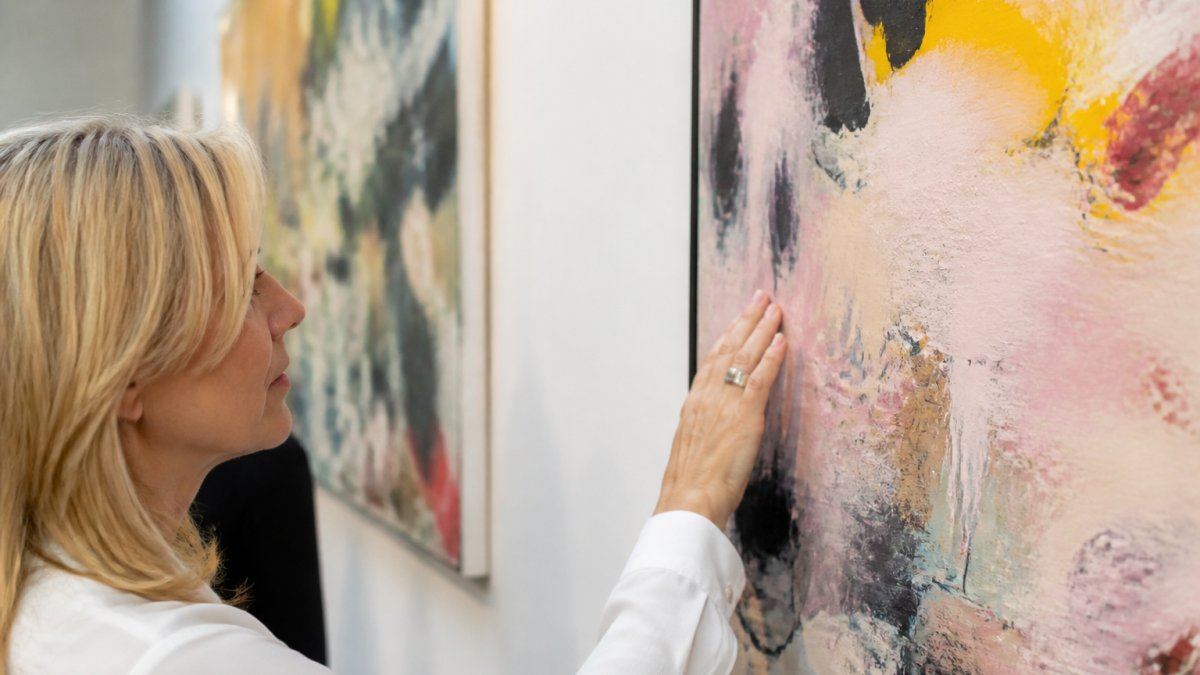
Consider the artwork's condition and documentation as part of the same valuation exercise. Abstract works on canvas or panel can suffer from fading, cracking, or surface damage. A detailed condition report matters enormously for resale value. Equally important is provenance, the documented ownership history. Strong provenance increases confidence in authenticity and value retention. For guidance on determining market value of original art, research specific valuation approaches tailored to your chosen medium and artist category.
Artwork Provenance and Authenticity: Your Due Diligence Checklist
Provenance and authenticity form the foundation of any serious art investment. Without verified ownership history and confirmed authenticity, you're buying a financial liability, not an asset.
Request a certificate of authenticity from the seller. This document should include the artist's signature or confirmation, creation date, medium, dimensions, and any exhibition or publication history. Legitimate galleries and dealers provide these as standard practice.
Verify the artist's signature. Familiarize yourself with how the artist signs their work. Signatures can be forged, but consistent research into authentic examples helps you spot inconsistencies.
Document the complete ownership chain. Who owned the work before the current seller? Can you trace it back several years? Gaps in provenance raise questions about authenticity or whether the work was stolen. Major auction houses and reputable galleries maintain detailed records.
Request professional authentication if the price justifies it. For significant purchases, hiring an independent art appraiser or conservator to examine the work is money well spent. They can identify restoration, repainting, or other alterations that affect value.
Understanding Art Investment Risks and Market Volatility
Art investment carries distinct risks that differ fundamentally from stocks or bonds. The art market is illiquid, subjective, and influenced by taste shifts that can happen suddenly.
Market demand fluctuates based on trends, collector preferences, and broader economic conditions. An artist's work might be hot one year and overlooked the next. Unlike stocks, there's no central exchange tracking prices or guaranteeing buyers.
Abstract art specifically faces additional volatility. Representational work and recognizable imagery hold value more predictably because their appeal transcends trend cycles. Abstract work depends more heavily on artist reputation and current market enthusiasm. If the art world's attention shifts, valuations can drop significantly.
According to University of Colorado Boulder analysis of art investment risks, art investments involve unique risks while potentially appreciating or providing inflation protection. However, that appreciation is never guaranteed. Some pieces lose value. Others remain flat for decades before appreciating suddenly.
Consider holding periods carefully. Financial advisors generally suggest treating art investments as long-term holdings, five to ten years minimum. Short-term flipping rarely works unless you have inside knowledge of upcoming trends or artist breakthroughs.
The Real Cost of Buying Abstract Art: Pricing and Hidden Fees
The sticker price of abstract art is only part of the total cost. Transaction expenses, ownership costs, and resale fees can consume a substantial share of your purchase price over time.
Purchase costs. When buying from a gallery, expect markup. Galleries typically price work at a multiple of what they paid the artist, and that markup is built into the retail price.
Ownership costs. Once the work is yours, ongoing costs accumulate. Insurance typically runs a small percentage of the insured value each year.
Resale costs. When you sell, expect to pay a seller's commission, which commonly ranges from 10% to 20% at auction, plus shipping and possibly other fees. Private sales through a dealer may involve a consignment commission as well.
A worked example. Consider a $10,000 abstract painting bought at auction. Assume a 20% buyer's premium, bringing the cost to $12,000. Add $500 for shipping and in-transit insurance.
Tax treatment also affects net returns. Sales tax may apply at purchase depending on your state and the seller's nexus, and capital gains treatment on resale depends on your holding period and how the sale is structured. Consult a tax professional for your specific situation rather than assuming art sales are tax-free.
For pricing information specific to Susan Fielder Art's collection, visit the website directly for current offerings and detailed pricing.
Understanding the full cost of ownership helps you calculate your true break-even threshold.
| Cost Category | Typical Range | Notes |
|---|---|---|
| Buyer's premium at auction | 10% to 25% | Added to hammer price |
| Shipping and transit insurance | Varies by size | Scales with dimensions and fragility |
| Annual insurance | Small percentage of value | Ongoing ownership cost |
| Seller's commission at resale | 10% to 20% | Deducted from sale proceeds |
| Framing or mounting | Varies | Especially significant for large works |
| Climate-controlled storage | Varies | May be necessary for valuable pieces |
How to Build an Art Collection That Holds Value
Building an art collection that holds value requires strategy beyond simply buying pieces you like. Diversification, artist selection, and disciplined purchasing matter enormously.
Focus on artists with established exhibition records and growing market demand. Emerging artists offer potential for appreciation, but established mid-career artists provide more stable value retention. Mix both categories in your collection to balance risk and opportunity.
Buy work you genuinely love. This is the insurance policy against financial loss. If the piece doesn't appreciate, you still live with something that brings you joy.
Document everything meticulously. Keep receipts, certificates of authenticity, condition reports, and exhibition catalogs. Maintain detailed records of purchase price, date, and any conservation work. This documentation becomes invaluable when selling and protects your investment's credibility.
Avoid buying solely based on artist hype or trend. Trends reverse. The artist everyone's talking about today may be forgotten in five years.
For comprehensive guidance on curating a personal art collection in 2026, explore strategies for building collections that maintain and appreciate in value over time.
Starting Your Abstract Art Investment Journey
Beginning your journey into buying abstract art for investment requires patience, research, and honest self-assessment about your financial goals.
Start small. Your first abstract art purchase should be affordable enough that losing money wouldn't devastate you financially.
Educate yourself continuously. Read about artists, attend gallery exhibitions, follow auction results, and join collector communities. The more informed you become, the better decisions you'll make. Knowledge reduces the likelihood of overpaying or buying inauthentic work.
Work with reputable dealers and galleries. Established galleries have reputations to protect and typically stand behind their work. They provide authentication, documentation, and often take pieces back if issues arise.
Build relationships with gallery owners and other collectors. These connections provide access to works before they're widely marketed, advance notice of emerging artists, and honest feedback about fair pricing.
Remember that buying abstract art for investment is a long-term commitment. Expect to hold pieces for years. If you need liquidity, art is not the right investment vehicle.
Susan Fielder Art helps collectors discover original abstract works that combine investment potential with genuine emotional resonance.
Frequently Asked Questions
Can abstract art be a good investment?
Abstract art can appreciate and provide portfolio diversification, but returns are unpredictable and vary widely by artist and market conditions. Research from Stanford Graduate School of Business advises buying art for personal enjoyment rather than expecting consistent financial gains. The art market involves unique risks, and many pieces appreciate slowly or not at all. Success depends on artist reputation, market demand, and holding period, typically 5+ years for meaningful appreciation.
How do I know if an abstract painting is valuable?
Value depends on artist reputation, career trajectory, exhibition history, provenance, condition, and market demand. Check the artist's auction results, gallery representation, and peer recognition. Emerging artists may have lower prices but higher volatility; established artists offer more stable (though pricier) investments. Request a condition report and certificate of authenticity. Research whether the artist's work has appreciated historically and whether galleries actively represent them.
How can I verify an artwork's authenticity and provenance?
Request a certificate of authenticity, condition report, and complete provenance documentation from the seller. Verify the artist's signature and materials match their known practice. Ask for exhibition history, previous ownership records, and any conservation work. For significant purchases, consider hiring an independent art appraiser or authentication expert. Legitimate galleries and platforms provide verified seller badges and secure documentation. Never buy from sellers who cannot provide detailed provenance or refuse authentication requests.
What should I look for when buying abstract art?
Evaluate the artist's exhibition record, market demand, and career trajectory. Examine the artwork's condition, materials, and uniqueness (original versus limited edition). Verify authenticity and provenance documentation. Consider the artist's age, representation by galleries, and whether their work has appreciated historically. Assess whether the piece resonates emotionally, Stanford research shows collectors who buy for enjoyment tend to be happier than those focused purely on financial returns. Factor in total costs: purchase price, buyer premiums, shipping, insurance, and potential framing.
Buying abstract art for investment works best when you balance financial expectations with authentic passion for the work. Start with research, verify authenticity rigorously, understand the true costs involved, and commit to long-term ownership. The collectors who succeed are those who buy work they genuinely love, not those chasing quick profits.