 listicle
Buy Abstract Paintings for Charity: A 2026 Guide
Table of Contents
- Why Buy Abstract Paintings for Charity Matters
- The Impact of Art on Community Well-Being and Social Change
- How to Verify 501(c)(3) Art Organizations Before You Buy
- Tax-Deductible Art Donations: What You Need to Know
- Benefits of Buying Charity Art: Supporting Emerging Artists and Causes
- Sourcing Authentic Abstract Paintings for Charity: Original vs. Prints
- The Lifecycle of a Charity Art Donation: From Purchase to Impact
- Sustainable Art Sourcing: Ethical Choices in Charity Art Purchases
- Frequently Asked Questions
Buy Abstract Paintings for Charity: A 2026 Guide
Last Updated: August 4, 2026
When you buy abstract paintings for charity, you're acquiring art while funding meaningful social impact. Art-based charitable purchases have grown significantly as socially conscious consumers seek ways to support causes while beautifying their spaces. This guide walks you through everything you need to know about buying abstract paintings for charity, from verifying nonprofit authenticity to understanding tax implications and evaluating real-world impact.
Why Buy Abstract Paintings for Charity Matters
Purchasing abstract art for charity creates a direct connection between aesthetic appreciation and social responsibility. Unlike traditional donations where benefits remain invisible, buying charity art means you're living with a piece that reminds you daily of the cause you've supported. The emotional resonance of abstract expressionism makes these pieces particularly powerful vehicles for meaning.
When you buy abstract paintings for charity, emerging artists gain exposure and income they might not otherwise access. Galleries and nonprofits supporting these artists can sustain operations and expand reach to underserved communities. Research from The Art of Elysium's community impact reports demonstrates that art sales generate funding for therapeutic programs serving vulnerable populations, creating a multiplier effect where one purchase supports both the artist and the cause.
The Impact of Art on Community Well-Being and Social Change
Art transforms how communities process trauma, build connection, and imagine possibility. When people engage with visual art, especially abstract work that speaks to emotion rather than literal representation, they access parts of themselves that conversation alone cannot reach.

Communities lacking access to art often experience measurable differences in mental health outcomes, social cohesion, and youth engagement. When nonprofits use art sales proceeds to fund programs in these areas, they address root causes of disconnection. Abstract art carries particular power because it doesn't impose narrative, a viewer sees what they need to see. Someone grieving loss might see resilience in bold brushstrokes. A young person from an underserved community might see possibility in color combinations with no predetermined meaning.
When you buy abstract paintings for charity, you're funding programs that create these transformative moments. Proceeds support art therapy sessions, community gallery exhibitions, and artist residencies in neighborhoods needing creative investment most.
:::pro-tip Look for organizations that measure program outcomes, not just money raised, but how many people participated in art programs and what changed for them. :::
How to Verify 501(c)(3) Art Organizations Before You Buy
Before committing to a purchase, verify that the organization receiving proceeds is legitimate and operating transparently.
Check Nonprofit Status with the IRS
The IRS maintains a searchable database of all 501(c)(3) organizations. Visit the IRS Tax Exempt Organization Search tool and enter the organization's name. You'll see confirmation of their status, the year they received tax-exempt status, and their EIN (Employer Identification Number). If an organization isn't listed, do not purchase from them.
Review Financial Transparency and Annual Reports
Legitimate nonprofits publish annual reports and financial statements showing exactly where money goes. Request these documents directly from the organization or find them on their website.
Key metrics to evaluate:
- Program expense ratio (typically 75% or higher for well-run organizations)
- Year-over-year growth in program participants or outcomes
- Detailed breakdown of how art sales proceeds are allocated
- Independent audit results (for larger organizations)
Organizations that won't share financial information or make vague claims about "supporting artists" without specifics are red flags.
Tax-Deductible Art Donations: What You Need to Know
Art purchases from qualified nonprofits may be tax-deductible, but the rules are specific.
Qualifying Donations and IRS Requirements
To claim a tax deduction, the selling organization must be a qualified 501(c)(3) nonprofit. The IRS requires that you receive written acknowledgment from the nonprofit stating:
- The name of the organization
- Their 501(c)(3) status
- A description of what you received
- Whether you received any goods or services in return
- If you did, a description and estimate of its value
For example, if you purchased an abstract painting for $500 and the nonprofit gave you nothing in return, you can deduct $500. If they also provided a thank-you dinner worth $50, you can only deduct $450.
Documentation and Appraisal Standards
For art purchases under $5,000, you typically need only the nonprofit's written acknowledgment and your receipt. For purchases over $5,000, the IRS requires a qualified appraisal by a professional appraiser, completed before you file your tax return. Appraisal costs typically range from a few hundred to several thousand dollars.
If you buy an original abstract painting for $3,000 and a professional appraisal values it at $4,500, you can potentially deduct the appraised value. Conversely, if the appraisal comes in lower than your purchase price, you deduct the appraised value.
Benefits of Buying Charity Art: Supporting Emerging Artists and Causes
When you buy abstract paintings for charity, you're participating in an economic model that sustains artists who might otherwise lack income stability.
Direct Support for Underserved Communities
Charity art sales fund programs in neighborhoods lacking cultural investment. Art programs in schools, community centers, and social service agencies depend on revenue from art sales to continue operations. Platforms like ArtLifting create direct economic pathways for artists experiencing homelessness or disabilities, 55% of the sale goes directly to the artist, with the remainder funding art programming at shelters and disability centers. Organizations like Artists For Good donate 100% of proceeds to charities while supporting emerging artists by providing them a platform.
Building Your Art Collection with Purpose
Collectors who buy abstract paintings for charity often report deeper satisfaction with their acquisitions than those who purchase purely for investment or aesthetics. Knowing a piece funded cancer research, supported a homeless artist, or enabled art therapy for children transforms how you experience the work. Your collection becomes a visual representation of your values.
| Benefit | Impact | Consideration |
|---|---|---|
| Artist support | Direct income to emerging creators | Verify artist profit-sharing model |
| Community programs | Funds art therapy and education | Check nonprofit's program outcomes |
| Tax deduction | Reduces tax liability | Requires qualified nonprofit status |
| Emotional connection | Deeper satisfaction with purchase | Meaningful when aligned with personal values |
| Collection narrative | Your art tells a story of your values | Enhances long-term enjoyment |
Sourcing Authentic Abstract Paintings for Charity: Original vs. Prints
Understanding the difference between original artwork and gallery-wrapped canvas prints ensures you're making an informed purchase.
Understanding Original Artwork and Gallery-Wrapped Canvas
Original abstract paintings are one-of-a-kind works created directly by the artist on canvas, paper, or mixed media surfaces. Each brushstroke and color choice is the artist's hand. Originals carry authenticity and typically command higher prices because they cannot be replicated.
Gallery-wrapped canvas prints are reproductions of original artwork printed on canvas and wrapped around wooden stretcher bars. These are mass-produced (though limited editions exist) and cost significantly less than originals. Neither is inherently better, the choice depends on your budget and intentions. If building a serious art collection, original work from emerging artists often appreciates in value. If you want to support a cause at lower price points, gallery-wrapped prints from nonprofit organizations serve that purpose well.
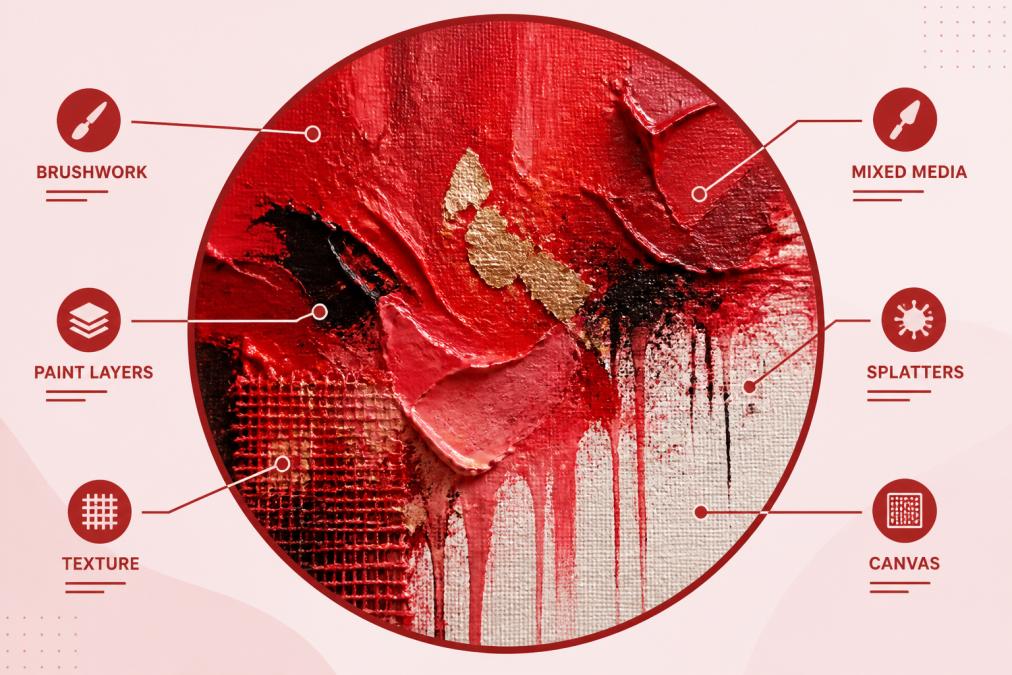
When buying from nonprofits, verify what you're purchasing. Reputable organizations clearly state whether work is original or print. Susan Fielder Art offers original abstract paintings reflecting the artist's unique vision, with each piece carrying the authenticity of direct creation.
Evaluating Artist Credentials and Limited-Edition Authenticity
Research the artist before purchasing. How long have they been working? Do they have exhibition history? Are they represented by galleries with credibility? For limited-edition prints, verify the edition number and total print run. A print numbered "5/100" means it's the 5th print in an edition of 100. Legitimate limited editions come with certificates of authenticity. Be cautious of claims like "museum-quality" without substantiation, what matters is the artist's track record and the organization's reputation.
The Lifecycle of a Charity Art Donation: From Purchase to Impact
Understanding how your purchase translates into real-world impact helps you make informed decisions about where to buy.
How Proceeds Flow to Nonprofits and Social Causes
When you purchase from a charity art organization, money flows through a specific path. The nonprofit receives a percentage of the sale (100% for some organizations, a portion for others that split revenue with artists). That money then funds specific programs: art therapy sessions, community exhibitions, artist residencies, or scholarships.
Transparent organizations publish annual reports detailing this flow. You might see: "2026 art sales totaled $450,000. After artist payments and operational costs, $315,000 (70%) funded art programs serving 2,400 participants." This specificity matters. Vague claims without numbers tell you nothing. The most impactful organizations track outcomes: Did a youth art program reduce school absences? Did art therapy improve mental health outcomes for cancer patients?
Tracking Your Purchase Impact and Charitable Contribution
After purchasing, request impact updates from the organization. Many nonprofits send annual reports showing how funds were used. Some provide specific tracking: "The abstract painting you purchased in June 2026 contributed to funding 12 art therapy sessions for pancreatic cancer patients at [Hospital]." This creates accountability and deepens your sense of contribution.
Document your purchase for tax purposes. Keep receipts, the nonprofit's written acknowledgment, and any appraisals. These records prove deductibility if audited.
Sustainable Art Sourcing: Ethical Choices in Charity Art Purchases
Buying abstract paintings for charity offers an opportunity to make choices aligned with environmental and social values. Look for organizations using eco-friendly materials in print production, water-based inks and sustainable stretcher bars minimize environmental impact. Verify that artists are fairly compensated. Organizations paying artists 50% or more of the sale price demonstrate commitment to artist welfare.
Consider the organization's broader practices. Do they source materials locally when possible? Do they employ people from the communities they serve? Do they invest in artist development? These practices indicate an organization thinking beyond immediate fundraising to long-term community building.
Charitable art purchasing at its best creates a virtuous cycle: beautiful work reaches collectors who support artists and communities, those communities gain resources for healing and creativity, and emerging artists sustain their practice. When you buy abstract paintings for charity through organizations committed to sustainability, you're investing in a model that works for everyone involved.
Finding the right abstract paintings for charity requires balancing aesthetic preference with philanthropic due diligence. Susan Fielder Art combines original, emotionally charged abstract work with transparent commitment to charitable impact, with 10% of all proceeds supporting pancreatic cancer research. Each piece reflects artistic integrity while funding meaningful social change. Start your search by verifying nonprofit status, reviewing financial transparency, and selecting work that resonates emotionally with you. When those elements align, you've found an art purchase that transforms your space and supports healing.
Frequently Asked Questions
How do I verify that an art charity is a legitimate 501(c)(3) nonprofit before buying?
Visit the IRS Tax Exempt Organization Search tool online to confirm the organization's nonprofit status. Check their website for an EIN (Employer Identification Number), annual financial reports, and board member information. Legitimate nonprofits disclose what percentage of proceeds go directly to their cause. Request documentation showing how funds are allocated, and verify their registration with state charitable solicitation offices. Look for third-party certifications like Charity Navigator ratings.
Are abstract paintings purchased for charity tax-deductible?
Purchases of art from charitable organizations may be tax-deductible only if the organization is a verified 501(c)(3) nonprofit and you itemize deductions on your federal tax return. The deductible amount typically equals the portion of your purchase that exceeds the fair market value of goods or services received. For donations of original artwork directly to nonprofits, you may claim a deduction based on a qualified appraisal. Keep receipts, donation confirmations, and any appraisal documentation. Consult a tax professional to determine your specific eligibility.
What are the main benefits of buying abstract paintings for charity?
Buying abstract paintings for charity supports emerging artists and underserved communities while adding meaningful original artwork to your space. Your purchase directly funds nonprofits working on social causes like cancer research, homelessness prevention, or mental health support. You gain a one-of-a-kind piece with a story of resilience and impact. Many charity art purchases offer tax benefits, and you help sustain art programs in communities that lack access to cultural resources. This combines art curation with social responsibility in a single transaction.
How can I tell if an abstract painting is original artwork versus a mass-produced print?
Original artwork typically features visible brushstrokes, texture, and variation that photographs cannot fully capture. Ask the seller for proof of authenticity, artist credentials, and a certificate of authenticity. Original paintings are usually one-of-a-kind or part of a limited-edition series with numbered documentation. Gallery-wrapped canvas prints are ready-to-hang but mass-produced; authentic originals come with provenance information. Request high-resolution photos showing detail and ask about the artist's background and artistic integrity. Reputable galleries provide detailed descriptions of medium, dimensions, and creation process.