 listicle
Art That Supports Charitable Causes: A 2026 Guide
Table of Contents
- How Art That Supports Charitable Causes Creates Real Impact
- Top Art Platforms and Artists Making a Difference
- Susan Fielder Art: Abstract Paintings Supporting Pancreatic Cancer Research
- ArtLifting: Helping Artists Facing Homelessness
- Charitable Artists: Curated Auctions for Cancer Support
- ART Doing Good: Community Murals and Fundraising Prints
- Desenio Art for a Cause: Affordable Prints Supporting Mental Health
- Artist Plate Project: Limited-Edition Plates Fighting Homelessness
- Understanding Tax-Deductible Art Donations
- How to Donate Art to Charity: A Step-by-Step Process
- The Role of Charitable Art Auctions in Fundraising
- Verifying Legitimacy: Due Diligence for Art Donors
- Why Buying Art for Social Impact Matters
- Conclusion
- Frequently Asked Questions
Last Updated: August 8, 2026
How Art That Supports Charitable Causes Creates Real Impact
When you buy art that supports charitable causes, you're not just decorating your walls, you're funding pancreatic cancer research, providing meals to people experiencing homelessness, or supporting mental health initiatives. The connection between a single purchase and real-world impact is direct and measurable.
This guide from Susan Fielder Art explores how art that supports charitable causes works, which platforms deliver genuine social impact, and how to verify that your money reaches the organizations doing the work. The landscape has evolved from occasional fundraising auctions into a sophisticated ecosystem where artists, platforms, and nonprofits collaborate to create sustainable funding models. Understanding these models matters because the contribution to a cause can vary significantly between platforms.
Quick Picks for Art That Supports Charitable Causes:
- Best Overall: Susan Fielder Art, emotionally charged abstract paintings with 10% of proceeds supporting pancreatic cancer research
- Best for Direct Artist Support: ArtLifting, artists facing homelessness or disabilities earn 55% of profits from art sales and royalties.
- Best for Collectible Impact: Artist Plate Project, limited-edition dinner plates by renowned artists that feed 100+ people per purchase
Top Art Platforms and Artists Making a Difference
The platforms featured here represent different approaches to art that supports charitable causes, from emerging artists to established names, prints to original paintings. What they share is genuine commitment to directing funds toward nonprofits and communities in need.
Susan Fielder Art: Abstract Paintings Supporting Pancreatic Cancer Research
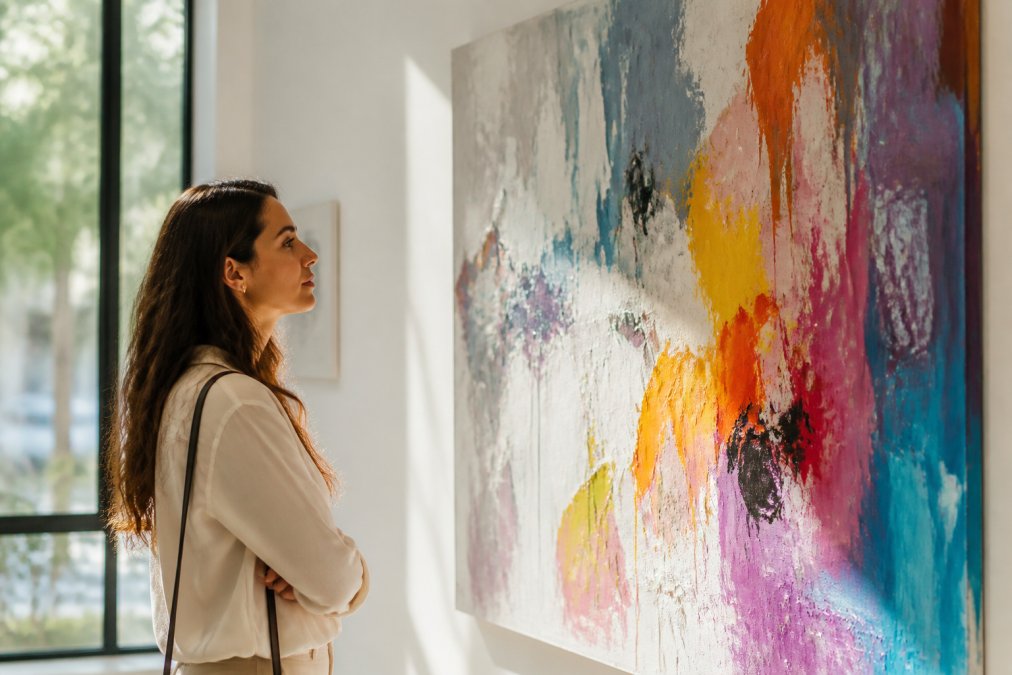
Susan Fielder Art stands apart because every purchase directly supports pancreatic cancer research. The gallery features emotionally charged abstract original paintings designed to transform your space while funding a specific cause. The commitment is straightforward: 10% of all proceeds go directly to pancreatic cancer research, built into the business model rather than dependent on quarterly performance.
The gallery also features the iPlaid series, a collection specifically designed to raise awareness for pancreatic cancer while creating visually striking work. What makes Susan Fielder Art credible is transparency, the website displays verification badges from the Art Storefronts Organization and maintains a secure checkout process. Original artwork means each piece is truly one-of-a-kind.
ArtLifting: Helping Artists Facing Homelessness
ArtLifting prioritizes the artists themselves. Artists living with homelessness or disabilities earn 55% of profits from art sales and royalties. The collection features nearly 3,000 original pieces across multiple styles and mediums, with an in-house curator available for design assistance.
ArtLifting's approach appeals to buyers who want their purchase to directly support individual artists. The 55% artist cut is significantly higher than traditional galleries offer, providing immediate financial relief while maintaining artist dignity.
Charitable Artists: Curated Auctions for Cancer Support
Charitable Artists hosts online art auctions featuring juried works by talented artists, with proceeds benefiting nonprofits like the Cancer Support Community. The auction format creates discovery and competition that traditional retail doesn't offer. Each auction is curated to ensure quality, with focus on uplifting and healing art. Proceeds go directly to the nonprofit partner, making this a transparent funding model.
ART Doing Good: Community Murals and Fundraising Prints
ART Doing Good, launched in 2025, uses murals, paintings, and print campaigns to raise funds and awareness for causes including hunger relief, cancer research, and job training. Their seasonal print campaigns donate a significant percentage of sales to nonprofit partners.
Desenio Art for a Cause: Affordable Prints Supporting Mental Health
Desenio's Art for a Cause collection features prints and canvases from over 30 international artists, with a percentage of each sale donated to The Art Therapy Project, a US-based nonprofit supporting mental health through art. Starting at $35 for prints, Desenio offers an entry point for budget-conscious buyers. The tradeoff is that only a percentage of sales goes to the nonprofit, and these are prints rather than original artworks.
Artist Plate Project: Limited-Edition Plates Fighting Homelessness
The Artist Plate Project sells limited-edition dinner plates designed by over 150 renowned artists, with funds supporting the Coalition for the Homeless. Each plate purchase provides meals and crisis services for people experiencing homelessness, enough to feed more than 100 individuals. What makes this model powerful is the specificity of impact: you're buying a functional, beautiful object that directly translates to measurable outcomes.
| Platform | Focus | Artist/Nonprofit Share | Best For |
|---|---|---|---|
| Susan Fielder Art | Pancreatic cancer research | 10% of proceeds to research | Buyers seeking original paintings with deep cause connection |
| ArtLifting | Supporting homeless/disabled artists | 55% of profits from art sales and royalties to artists | Buyers prioritizing direct artist support |
| Charitable Artists | Cancer support nonprofits | 100% of auction proceeds to nonprofit | Buyers who enjoy auction bidding and discovery |
| ART Doing Good | Multiple causes via public art | Significant percentage of print sales to nonprofits | Communities and large-scale impact seekers |
| Desenio Art for a Cause | Mental health through art therapy | Percentage to nonprofit | Budget-conscious buyers seeking affordable art |
| Artist Plate Project | Homelessness and food security | 100% of proceeds to Coalition for the Homeless | Collectors wanting functional, collectible art |
Understanding Tax-Deductible Art Donations
Tax deductions for art donations are possible, but the rules are specific. If you're donating artwork you own to a qualified nonprofit, you may deduct the fair market value on your federal income tax return. The IRS defines fair market value as the price at which property would change hands between a willing buyer and willing seller.
There's an important distinction between buying art that supports charitable causes (a retail purchase) and donating artwork you already own (which triggers tax implications). When you purchase from platforms like Susan Fielder Art or ArtLifting, you're making a retail purchase; the nonprofit benefits, but you don't receive a tax deduction for the purchase itself.
If you own original artwork and donate it to a qualified nonprofit, the donation may be tax-deductible. For donations exceeding $5,000, the IRS requires a qualified appraisal and Form 8283. Working with a tax professional is essential to ensure you meet all requirements.
How to Donate Art to Charity: A Step-by-Step Process
Step 1: Identify a Qualified Nonprofit The organization must be a 501(c)(3) nonprofit. Verify status using the IRS Tax Exempt Organization Search tool.
Step 2: Determine Fair Market Value For items under $5,000, estimate fair market value based on comparable sales or professional opinion. For items over $5,000, obtain a qualified appraisal.
Step 3: Obtain Professional Appraisal (if needed) If your donation exceeds $5,000, hire a qualified appraiser. The appraisal must be conducted within 60 days before the donation and no later than the tax return deadline.
Step 4: Document the Donation Obtain written acknowledgment from the nonprofit stating the date, artwork description, and tax-exempt status. If the value exceeds $5,000, include the qualified appraisal and Form 8283 Section B.
Step 5: File the Deduction on Your Tax Return Attach Form 8283 to your tax return with appraisal documentation. Consult a tax professional to ensure correct claiming.
Step 6: Maintain Records Keep copies of all documentation for at least three years after filing.
The Role of Charitable Art Auctions in Fundraising
Art auctions have long been a cornerstone of nonprofit fundraising, creating event experiences, generating media attention, and attracting high-net-worth donors willing to bid above fair market value because proceeds support a cause they care about.
Traditional charity auctions solicit donated artwork from artists, galleries, and collectors, with entire proceeds going to the nonprofit. Online platforms like Charitable Artists have democratized this model, allowing artists to participate without geographic constraints and enabling smaller donors to bid on affordable pieces. The nonprofit still receives 100% of proceeds, but the barrier to entry is lower for both artists and buyers.
The effectiveness of art auctions depends on artist reputation, work quality, and the cause itself. Well-known artists command higher bids, and causes with passionate constituencies tend to generate stronger bidding.
Verifying Legitimacy: Due Diligence for Art Donors
Not every platform claiming to support charitable causes delivers meaningful impact. Before purchasing, verify that your money reaches the organization you want to support.
Check Nonprofit Status Use the IRS Tax Exempt Organization Search to confirm the nonprofit is a legitimate 501(c)(3) organization.
Review Financial Transparency Legitimate nonprofits publish annual financial reports and Form 990. Websites like GuideStar (now Candid) provide nonprofit financial data and impact assessments.
Verify the Donation Percentage Platforms should clearly state what percentage of each sale goes to the nonprofit. Transparent platforms like ArtLifting (55% of profits from art sales and royalties to artists) and ART Doing Good (a significant percentage of print sales to nonprofits) state these figures prominently.
Look for Third-Party Verification Badges from organizations like the Art Storefronts Organization or Better Business Bureau indicate the platform has met certain standards.
Research the Organization's Track Record Search for news coverage, reviews, and social media presence. How long has the organization operated? Do they publish impact reports? A well-established organization with a public track record is more trustworthy.
Contact the Nonprofit Directly For significant purchases, reach out to the nonprofit partner to confirm the partnership, percentage of funds received, and how money is used.
Avoid Red Flags Be skeptical of platforms making vague promises about impact, lacking transparency about fund allocation, or using high-pressure sales tactics.
Why Buying Art for Social Impact Matters
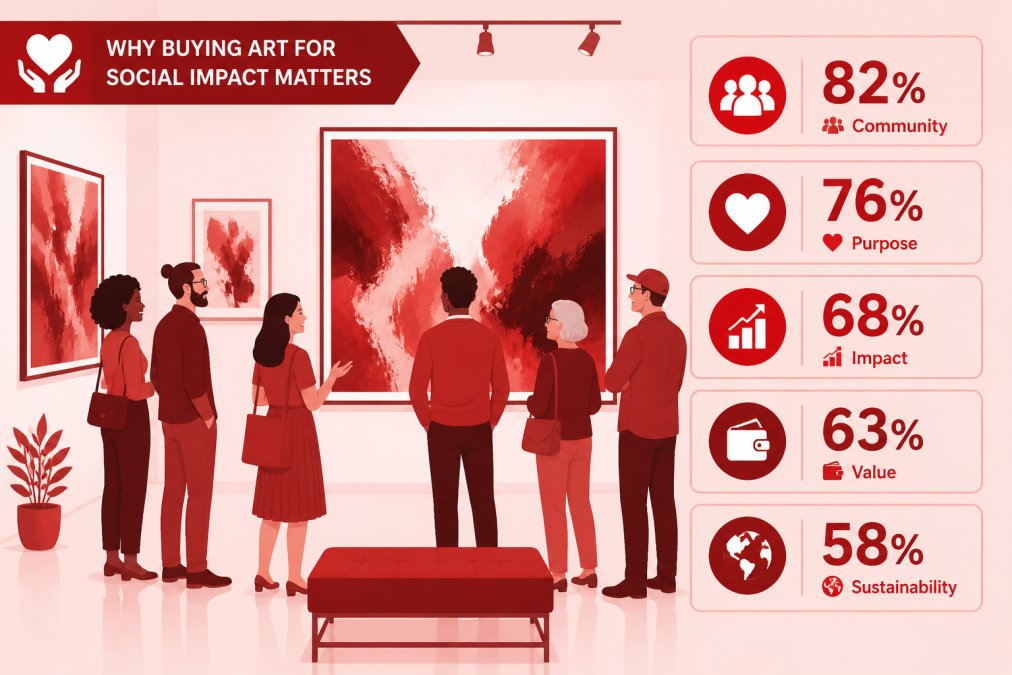
Buying art that supports charitable causes creates a multiplier effect. You acquire something beautiful for your space while funding research, supporting artists, or providing essential services to people in need. For individuals personally impacted by pancreatic cancer, purchasing from Susan Fielder Art carries additional weight, the artwork becomes a way to honor loved ones and support research that might help future patients.
For socially conscious consumers, art that supports charitable causes aligns purchases with values, integrating giving into regular life. For emerging artists, platforms like ArtLifting provide alternatives to traditional gallery systems that often require representation or connections. For nonprofits, art-based fundraising diversifies revenue streams beyond grants and donations. Art that supports charitable causes also raises awareness, when someone displays a plate from the Artist Plate Project or a painting from Susan Fielder Art, they create a conversation starter that educates visitors about important causes.
Conclusion
Buying art that supports charitable causes doesn't require sacrificing quality, aesthetics, or authenticity. Platforms ranging from Susan Fielder Art (which donates 10% of proceeds to pancreatic cancer research) to ArtLifting (which ensures artists earn 55% of profits from art sales and royalties) have created legitimate pathways to support causes while acquiring meaningful work. The key is verifying legitimacy through nonprofit status checks, reviewing financial transparency, and understanding how much of your purchase reaches the cause. Whether you're drawn to original abstract paintings, limited-edition collectibles, or affordable prints, the art world has created options that align social impact with genuine artistic value. Start by identifying which cause resonates with you, then select a platform that matches your values and budget.
Frequently Asked Questions
How do I know if an art purchase is tax-deductible in the US?
Art donations to qualified 501(c)(3) non-profit organizations are tax-deductible if you itemize deductions on your tax return. The IRS requires a qualified appraisal for artworks valued over $5,000, and you must file Form 8283 with your tax return. When buying art from platforms that donate proceeds to charity, those donations are typically tax-deductible to the seller or organization, not the buyer. Always verify the recipient organization's 501(c)(3) status and consult a tax professional to confirm deductibility for your specific situation.
What are the best platforms for buying art that supports charity?
Several platforms combine art purchasing with charitable giving. Susan Fielder Art donates 10% of proceeds to pancreatic cancer research, ArtLifting supports artists facing homelessness with 55% of sales going directly to artists, and Charitable Artists hosts online auctions benefiting organizations like the Cancer Support Community. Desenio offers affordable prints with donations to The Art Therapy Project, while the Artist Plate Project features limited-edition dinner plates supporting the Coalition for the Homeless. Choose based on which cause aligns with your values and your preferred art style and budget.
What's the difference between buying art for charity and donating art?
Buying art for charity means purchasing artwork from platforms or artists that donate a portion of proceeds to non-profits, benefiting causes while you acquire a piece you want to keep. Donating art means giving artwork you already own to a qualified non-profit organization, which may qualify for a tax deduction if appraised and properly documented. Buying art for charity supports artists and organizations immediately, while donating art requires you to already own pieces and involves appraisal and tax documentation. Both approaches contribute to philanthropy and social impact, but through different mechanisms.
How does donating art to a 501(c)(3) organization work?
To donate artwork to a 501(c)(3) organization, first confirm the organization is tax-exempt by checking the IRS Tax Exempt Organization Search. Contact the organization to discuss your artwork and confirm they accept donations. For pieces valued over $5,000, you'll need a qualified independent appraisal by a certified appraiser. Complete IRS Form 8283 Section B (for items over $5,000), have the appraiser sign it, and include it with your tax return. The organization should provide a donation receipt. Keep detailed records, including photographs and provenance documentation, to support your tax deduction claim.
Can buying art from independent artists support social causes?
Yes, many independent artists donate portions of their sales to charitable causes or create work specifically to raise awareness about social issues. Platforms like ArtLifting connect independent artists to buyers while ensuring artists receive fair compensation. Some artists, like those featured on Charitable Artists, participate in curated auctions where proceeds benefit non-profits. When buying from independent artists, ask directly about their charitable involvement or mission. Supporting independent artists who align with your values creates a direct connection between your purchase and meaningful social impact, often more personal than buying from larger retailers.