 comparison
Art for Change vs Independent Galleries: 2026 Guide
Table of Contents
- Art for Change vs Independent Galleries: Key Differences
- How Commission Structures Shape What You Pay
- Best Online Art Marketplaces for Collectors
- Benefits of Buying Art Online vs In Person
- Supporting Social Impact Through Art Purchases
- Hybrid Models for Emerging Artists
- Which Model Fits Your Collecting Goals
- Conclusion
- Frequently Asked Questions
Last Updated: August 22, 2026
Art for Change vs Independent Galleries: Key Differences
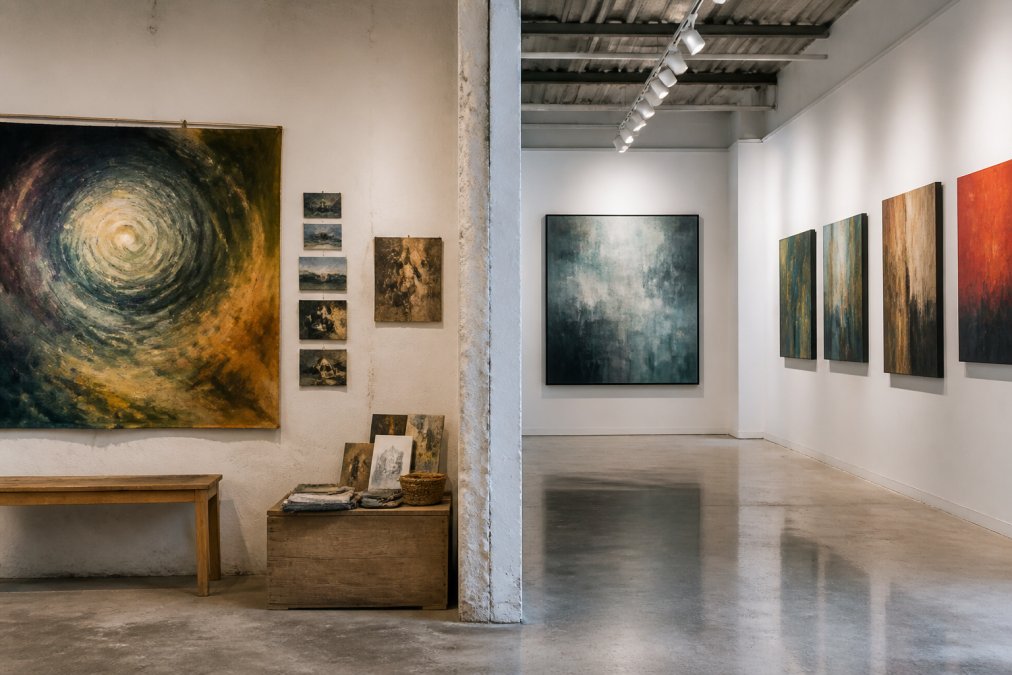
The art market is shifting. Collectors today face a choice between platforms prioritizing social impact and independent artist-run spaces that operate outside traditional institutional structures. Art for change platforms blend commerce with activism, funneling a percentage of sales toward charitable causes while connecting collectors to artists. Independent galleries cut out the traditional middleman, giving artists direct control over pricing, representation, and visibility. Both challenge the conventional gallery system in fundamentally different ways.
At Susan Fielder Art, we combine the best of both worlds: emotionally charged, original artwork paired with a commitment to social impact. Each piece supports pancreatic cancer research through our donation model, creating a hybrid between the social-impact platform and the independent gallery ethos. The real question isn't which model is "better," but which aligns with your values as a collector, your budget, and what kind of artistic autonomy and transparency you want to support.
How Commission Structures Shape What You Pay
Commission structures determine how much money reaches the artist, how much goes to the platform, and ultimately, what you're paying for when you buy art online. Traditional galleries take 40-50% commission. Online art for change platforms typically operate on 20-35% commission with a stated percentage flowing to charitable causes (peer-reviewed research). Independent galleries vary widely, from 30-40% to artist-run cooperatives where creators retain 80-90% of sales.
Transparency matters significantly. A platform clearly stating "We take 30% commission, 10% goes to pancreatic cancer research, 60% goes to the artist" provides immediate clarity. Lower commission doesn't always mean better value, a platform taking 35% but providing professional shipping, secure payment processing, and authentication services might deliver more actual value than an independent gallery taking 20% but offering no logistics support.
| Model | Typical Commission | Artist Take | Transparency |
|---|---|---|---|
| Traditional Gallery | 40-50% | 50-60% | Variable |
| Art for Change Platform | 20-35% | 55-75% | High |
| Independent Gallery | 20-40% | 60-80% | Variable |
| Artist-Run Collective | 15-25% | 75-85% | High |
The commission you pay funds the infrastructure that makes buying art online possible. Higher commissions can mean better buyer protections, faster shipping, authentication services, or charitable donations. Lower commissions can mean supporting artists more directly, but you might sacrifice logistics support or buyer guarantees.
Best Online Art Marketplaces for Collectors
The landscape of online art marketplaces has fragmented into distinct categories serving different collector priorities.
Saatchi Art represents the volume approach, with global inventory spanning paintings, drawings, photography, and sculpture. Artists retain 60% commission on original works after Saatchi Art's 40% fee. The Art Advisory service helps navigate the overwhelming selection, though the sheer volume can be paralyzing for some collectors.
Uprise Art takes the curation route, focusing exclusively on emerging contemporary artists with carefully selected inventory. Their complimentary art advisory service simplifies decision-making, and prices start lower than traditional galleries. The trade-off: smaller inventory due to the gallery model's overhead.
Singulart connects over 12,000 artists from more than 165 countries (the American Dental Association). Artists set their own prices with Singulart adding 35-40% commission. The platform provides worldwide shipping with secure packaging and free returns. The global reach means accessing work from artists you'd never encounter in traditional galleries, though volume creates curation challenges.
Susan Fielder Art operates as a curated independent gallery model with social impact embedded. The emotionally charged abstract paintings reflect a specific artistic vision of healing and resilience. The 10% of proceeds donated to pancreatic cancer research means every purchase supports research directly. The iPlaid series specifically raises awareness for pancreatic cancer. For collectors seeking one-of-a-kind artwork with intentional meaning and social purpose, this model eliminates decision paralysis through thoughtful curation.
Benefits of Buying Art Online vs In Person
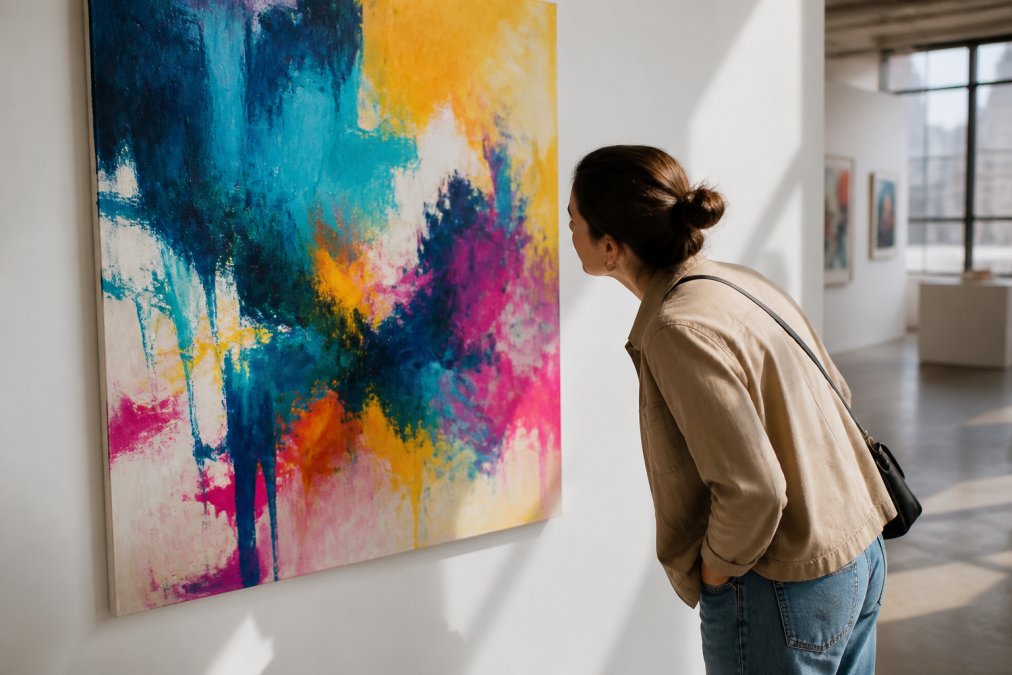
Buying art online removes friction that in-person gallery visits impose. You browse at your own pace, compare pieces across platforms simultaneously, and make decisions without gallery staff hovering nearby. For introverts or collectors with mobility constraints, this is transformative.
Online platforms display high-resolution images, artist statements, provenance information, and detailed specifications. You see exactly what you're buying before committing. In-person galleries rely on lighting conditions and curatorial framing to shape perception.
Online buying solves the geographic limitation problem. A collector in a rural area can access work from artists worldwide. Independent galleries are inherently local. However, in-person galleries create context by showing pieces in conversation with other work and allowing you to experience scale and texture directly.
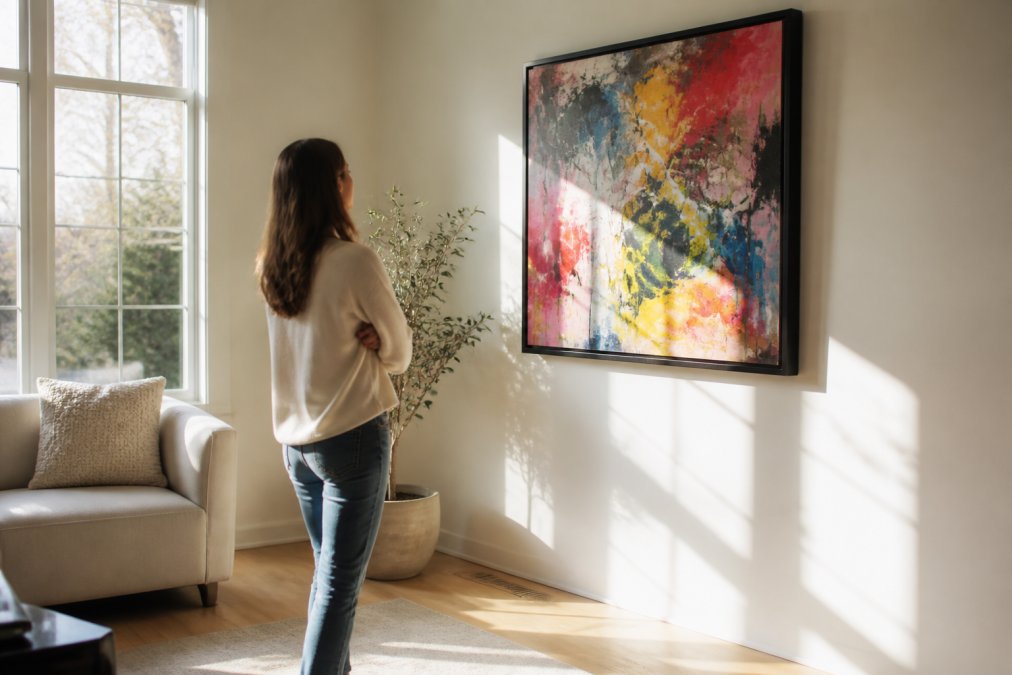
The hybrid approach is emerging as best practice. Many collectors browse online, narrow choices, then request in-person viewings or detailed photos before committing to larger purchases. Online marketplaces increasingly offer video consultations, measurement guides, and augmented reality tools to visualize artwork in your space.
Online buying shifts the risk burden to you, shipping damage, color inaccuracy, and size miscalculation become your concern. Reputable platforms like Susan Fielder Art mitigate this through verified secure checkout, detailed condition guarantees, and registration with the Art Storefronts Organization, signals of legitimate operations with buyer protections.
Supporting Social Impact Through Art Purchases
Art for change platforms operate on a simple premise: your purchase funds a cause alongside acquiring artwork. The transparency question is crucial. A platform should clearly state what percentage of your purchase reaches the intended cause.
Susan Fielder Art commits 10% of all proceeds to pancreatic cancer research. This isn't vague; it's a specific percentage tied to a specific cause. The iPlaid series directly raises awareness for pancreatic cancer, creating work that resonates with people personally affected by the disease. For collectors with a connection to pancreatic cancer, this creates alignment between aesthetic preference and social impact.
The deeper question is whether social impact through art purchases scales efficiently. A collector spending $2,000 on a painting that donates $200 to pancreatic cancer research makes a meaningful contribution (cancer.gov). However, a direct donation to the National Pancreatic Cancer Foundation might stretch further per dollar. The answer depends on your priorities: if you want to support a cause AND acquire meaningful artwork, art for change models make sense.
Hybrid Models for Emerging Artists
The future of the art market belongs to hybrid models combining elements of art for change platforms, independent galleries, and direct-to-consumer sales. An emerging artist today might sell originals through an independent gallery collective (retaining 70% commission), offer limited edition prints through print-on-demand (retaining 40% after production costs), maintain a direct-to-consumer shop (retaining 100% minus payment processing), and participate in an art for change platform for a specific series supporting a cause (retaining 60% with 10% flowing to charity).
This approach solves the exclusivity agreement problem that historically trapped artists into single-gallery representation. It maximizes reach without sacrificing autonomy and creates multiple revenue streams serving different purposes.
For collectors, this fragmentation creates opportunity. You can support an artist's growth trajectory by buying at different price points through different channels. A collector might purchase a high-end original through the artist's independent gallery, a mid-range limited edition print through a marketplace, and a cause-aligned piece through an art for change platform, all from the same artist.
Technology enabling this hybrid approach is improving rapidly. Artists no longer need extensive business infrastructure to manage multiple sales channels. Platforms integrate inventory management, payment processing, and shipping logistics, reducing friction for artists considering diversified strategies.
Which Model Fits Your Collecting Goals
Your choice between art for change platforms and independent galleries depends on answering three questions honestly.
First: what's your primary motivation? If building a collection primarily for aesthetic reasons, curation matters most. If motivated equally by aesthetic and social impact, art for change platforms like Susan Fielder Art align both priorities. If investing for appreciation potential, you need galleries with strong artist development track records.
Second: what's your budget and purchase frequency? A collector spending $500-2,000 annually benefits from curated platforms eliminating decision paralysis. A collector spending $10,000+ annually might prefer direct gallery relationships. A collector making infrequent large purchases benefits from platforms offering art advisory services and buyer protections.
Third: how important is transparency and artist compensation? If you care deeply about knowing exactly how your money is distributed, art for change platforms with clear commission breakdowns serve you better. If you prioritize direct artist relationships, independent galleries or artist-run collectives work better.
The emerging pattern is that collectors increasingly operate across multiple models, maximizing both collection diversity and impact across different artist support structures.
Conclusion
The choice between art for change platforms and independent galleries isn't binary. Both challenge traditional gallery structures and offer collectors direct access to artists with transparent pricing. Both are reshaping what it means to build an art collection in 2026.
Art for change platforms excel at combining aesthetic acquisition with social purpose. Independent galleries excel at curation and artist development. The smartest collectors use both, depending on their specific priorities for each purchase.
Susan Fielder Art demonstrates what a hybrid model looks like: curated original artwork paired with direct social impact through pancreatic cancer research donations. When you purchase through Susan Fielder Art, you're acquiring emotionally resonant abstract work while supporting a specific, measurable cause. The 10% donation commitment and iPlaid series create transparency that collectors increasingly demand. Get started with Susan Fielder Art and transform your space while supporting research that matters.
=== FAQ ANSWERS (audit these too, same rules) ===
[1] Q: What's the main difference between Art for Change and independent galleries? A: Art for Change operates as a curated online platform connecting collectors with emerging artists, typically handling logistics and payments while taking a commission. Independent galleries are artist-run or owner-operated spaces that control curation, pricing, and direct artist relationships. Art for Change platforms offer broader reach and lower entry barriers for artists; independent galleries provide deeper curation and stronger community ties. The art for change vs independent galleries choice depends on whether you value scale and convenience or intimate artist relationships and personalized discovery.
[2] Q: How much commission do artists actually lose on online platforms? A: Commission structures vary significantly across platforms. Online marketplaces typically take 35-40% of the sale price, meaning artists keep 60-65%. Some platforms charge additional annual fees or listing costs. Independent galleries may take 40-50% commission but often provide exhibition space, marketing support, and direct collector relationships that can justify the cut. Understanding the full financial breakdown, including what services come with that commission, helps you assess true value when choosing where to buy or sell.
[3] Q: Can I find emerging artists on both platforms equally? A: Emerging artists appear on both, but through different pathways. Online platforms and independent galleries actively seek new talent, but online spaces typically have lower barriers to entry and offer global exposure. Independent galleries often provide deeper mentorship and exhibition opportunities but may limit discovery to local or regional artists. Your best emerging artist discoveries depend on whether you prefer browsing thousands of global options or developing relationships with artists in your community.
[4] Q: Does buying from a socially conscious art platform actually make a difference? A: Yes, but transparency matters. Platforms that donate proceeds to causes should clearly state the percentage and verify the recipient organization. Some donate 10% or more; others donate smaller amounts. Independent galleries may support local artists directly, which creates community impact differently than charitable donations. Research the specific cause, verify the commitment, and choose based on which impact model aligns with your values, direct artist support or specific charitable giving.
Frequently Asked Questions
What's the main difference between Art for Change and independent galleries?
Art for Change operates as a curated online platform connecting collectors with emerging artists, typically handling logistics and payments while taking a commission. Independent galleries are artist-run or owner-operated spaces that control curation, pricing, and direct artist relationships. Art for Change platforms offer broader reach and lower entry barriers for artists; independent galleries provide deeper curation and stronger community ties. The art for change vs independent galleries choice depends on whether you value scale and convenience or intimate artist relationships and personalized discovery.
How much commission do artists actually lose on online platforms?
Commission structures vary significantly across platforms. Online marketplaces typically take 35-40% of the sale price, meaning artists keep 60-65%. Some platforms charge additional annual fees or listing costs. Independent galleries may take 40-50% commission but often provide exhibition space, marketing support, and direct collector relationships that can justify the cut. Understanding the full financial breakdown, including what services come with that commission, helps you assess true value when choosing where to buy or sell.
Can I find emerging artists on both platforms equally?
Emerging artists appear on both, but through different pathways. Online platforms and independent galleries actively seek new talent, but online spaces typically have lower barriers to entry and offer global exposure. Independent galleries often provide deeper mentorship and exhibition opportunities but may limit discovery to local or regional artists. Your best emerging artist discoveries depend on whether you prefer browsing thousands of global options or developing relationships with artists in your community.
Does buying from a socially conscious art platform actually make a difference?
Yes, but transparency matters. Platforms that donate proceeds to causes should clearly state the percentage and verify the recipient organization. Some donate 10% or more; others donate smaller amounts. Independent galleries may support local artists directly, which creates community impact differently than charitable donations. Research the specific cause, verify the commitment, and choose based on which impact model aligns with your values, direct artist support or specific charitable giving.
The art market's future belongs to platforms that combine artist autonomy, collector transparency, and social purpose. Whether you choose art for change platforms, independent galleries, or a hybrid approach, demand clarity on commission structures, donation percentages, and artist compensation. Your purchase funds more than just a frame on your wall, it shapes the future of how artists work and what the art ecosystem looks like.