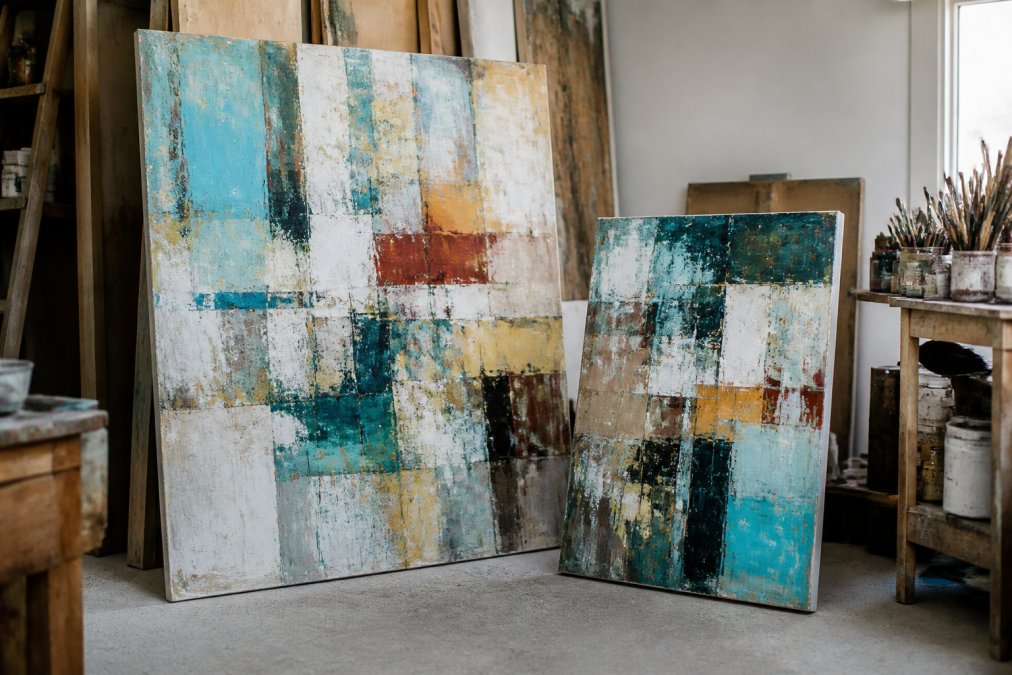
 comparison
Why Original Art Costs More Than Prints
Table of Contents
- The Scarcity Premium: Why Original Artwork Commands Higher Prices
- Material Costs and Production Overhead in Original Paintings
- The Value of Artist Time and Labor in Creating One-of-a-Kind Pieces
- Art Investment Value: Why Originals Appreciate Over Time
- Limited Edition vs. Open Edition Prints: Understanding the Price Difference
- How to Price Original Art: What Buyers Should Know
- Archival Quality, Texture, and the Physical Dimension of Original Work
- Frequently Asked Questions
The Scarcity Premium: Why Original Artwork Commands Higher Prices
Original art costs more than prints because each piece exists as a singular, irreplaceable object. When you buy an original painting, you're acquiring something that can never be duplicated exactly, no two brushstrokes will ever fall in quite the same way again. This fundamental scarcity drives up value in ways that mass-produced prints simply cannot match.
According to Crib of Art's first-time art buyer statistics, works with visible prices sell at 6x the rate of those without. Yet only 44% of online art listings include transparent pricing, creating friction for buyers who want to understand what they're paying for. The gap between originals and prints isn't just about materials or labor, it's about ownership of something genuinely one-of-a-kind.
Research confirms that scarcity, status symbols, and social cues drive up the prices of original works compared to reproductions, each piece carries the weight of being the only one like it in existence. At Susan Fielder Art, we understand this premium. Our emotionally charged abstract paintings exist as singular creations, each reflecting a narrative of healing and resilience that cannot be replicated through printing processes.
Material Costs and Production Overhead in Original Paintings
Creating original artwork demands expensive materials that accumulate quickly. High-quality oil paint tubes can cost $10 or more per unit, and a single painting might require dozens of tubes. Canvas, primer, solvents, and specialty mediums add up fast. A modest-sized original might consume $50 to $200 in materials alone, depending on the artist's standards and the work's complexity.
Prints, by contrast, rely on standardized production processes. Once the digital file exists, printing costs per unit drop dramatically. Fine art prints are increasingly produced on archival-quality materials, which increases their cost relative to standard posters, but even premium archival prints cost far less per unit than the materials for an original. The overhead for prints scales with volume; the overhead for originals scales with ambition and size.
Studio space itself becomes a material cost for original artists. Rent, utilities, storage for supplies, and workspace maintenance are ongoing expenses that don't factor into print production. These overhead costs get absorbed into the pricing of original work, making each piece more expensive to justify.
The Value of Artist Time and Labor in Creating One-of-a-Kind Pieces
An original painting demands hours of focused, skilled labor. A moderately sized abstract work might take 20 to 100 hours to complete, depending on the artist's process and vision. That's not just time, it's expertise, training, and creative decision-making that accumulates over years or decades of practice.
Prints, once designed, can be produced in minutes. A printer handles the execution. An original requires the artist's hands, eyes, and judgment at every stage. The artist makes thousands of micro-decisions: color mixing, brushwork, composition adjustments, layering techniques. This labor-intensive process is why original art costs more than prints, you're paying for the artist's skill and time investment, not just materials.
Consider the artist's training too. Most working artists have spent years developing their craft through formal education, practice, and experimentation. That accumulated expertise is embedded in every original piece. Prints don't carry that same weight of personal mastery.
Art Investment Value: Why Originals Appreciate Over Time
Original artwork often appreciates in value. A painting purchased from an emerging artist might be worth more five years later if the artist gains recognition. This investment potential doesn't exist for prints. Prints depreciate or hold flat value because supply is unlimited.
While originals are generally more expensive, prints are sometimes viewed as a lower-risk entry point, whereas original pieces from emerging artists have the potential to double in value quickly. The scarcity that makes originals expensive also makes them collectible. Collectors bid against each other, driving prices up over time.
Prints have no secondary market momentum. You can't resell a limited-edition print for significantly more than you paid. Originals, especially from artists whose work gains traction, become assets. They're stored in collections, passed down, and sometimes donated to museums. This trajectory of value makes the higher upfront cost rational for buyers who see art as an investment.
Limited Edition vs. Open Edition Prints: Understanding the Price Difference
Limited-edition prints cost more than open-edition prints because scarcity applies to them too, just less dramatically than originals. A limited run of 100 prints creates artificial scarcity. Once sold out, no more exist. Open-edition prints can be reproduced forever, so they hold little collector value.
David Yarrow used a tiered pricing basis where the cost of an artwork increases as the edition sells out, increasing value and scarcity for limited-edition prints. This strategy mirrors how original art works: as supply dwindles, demand and price rise.
But the price difference between print types reflects more than just scarcity, it reflects the long-term financial behavior of each category. Limited-edition prints, especially those numbered and signed by the artist, hold their value or appreciate modestly over 5-10 years. An artist who releases a run of 250 prints at $150 each creates a finite asset pool. As the edition sells down to 50 remaining copies, resale prices often climb to $200-$300 on secondary markets like eBay or Etsy. Collectors perceive scarcity and bid accordingly.
Open-edition prints, by contrast, depreciate immediately. Because new copies can be printed at any time, there is no scarcity signal. A poster available indefinitely has no collectibility. Resale value for open-edition prints typically drops 40-60% below retail within the first year. Buyers recognize they can always purchase a fresh copy from the artist or retailer for less than a used one.
The psychological difference is profound. Collectors treat limited editions as stepping stones, affordable ways to own work from an artist they love while building a small portfolio. Originals are the destination purchase. Limited editions occupy the middle ground: they offer genuine scarcity (though not uniqueness) and modest investment potential, justifying a price premium over open editions while remaining accessible to budget-conscious collectors.
When evaluating a limited-edition print, confirm three details: the total edition size, the numbering (e.g., "15/250" means print 15 of 250 total), and whether the artist has committed to never reprinting the work. Some artists release "open editions" under different names or years, which dilutes the scarcity of the original run. Transparency on these points signals a serious artist and protects your investment.
How to Price Original Art: What Buyers Should Know
When evaluating why original art costs more than prints, understanding the pricing logic helps. Most artists calculate price using a formula: (hourly rate × hours spent) + materials + overhead + profit margin. A painting taking 30 hours with materials and studio overhead, justifies a starting price before any profit.
Size matters significantly. Larger originals demand more materials, more time, and more studio space. They also command higher prices in the market. A 24x36 painting costs substantially more to create and typically sells for 3-5x the price of a 12x18 work by the same artist.
Buyers should expect transparent pricing. If an artist won't show you the price upfront, that's a red flag. Susan Fielder Art maintains clear pricing for all original pieces, removing the guesswork from your purchase decision. Transparent pricing builds trust and signals that the artist stands behind their work's value.
Archival Quality, Texture, and the Physical Dimension of Original Work
Original paintings possess a richness that prints cannot replicate. The physical texture of brushstrokes, the subtle color variations created by layering paint, the way light interacts with the canvas surface, these qualities exist only in the original. Prints flatten this experience.
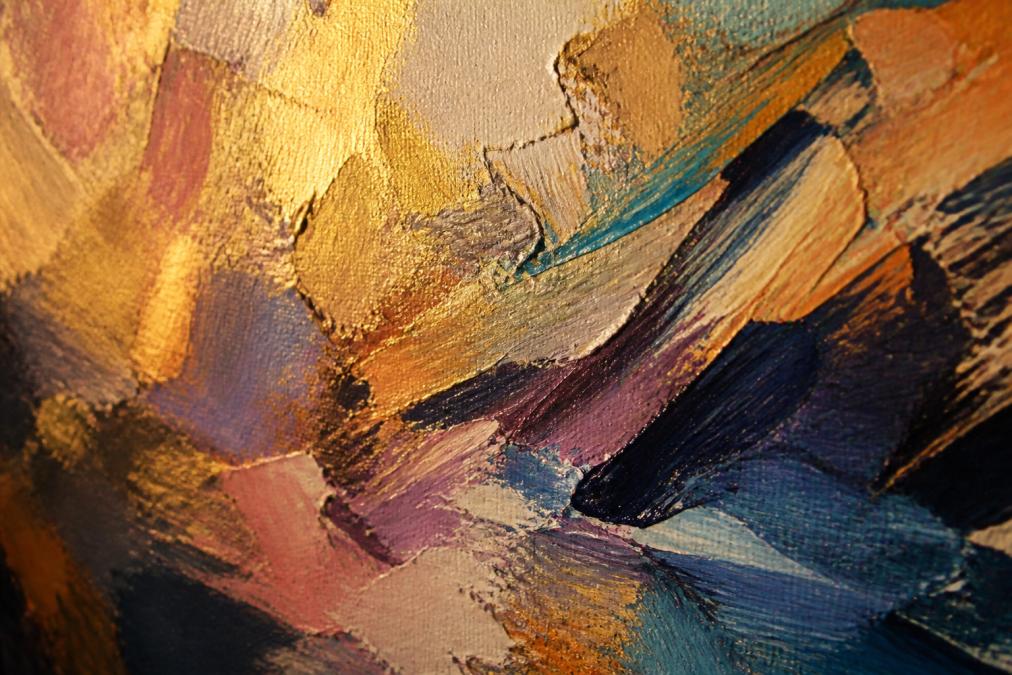
When you stand in front of an original, you see the artist's hand in every mark. Giclée prints on archival paper simulate this experience but don't deliver it. The visual richness and authenticity of an original justify the premium price for collectors who value the genuine article.
But the financial case for originals extends beyond aesthetics into the hidden costs of ownership. Original artwork requires active preservation investment that most buyers don't anticipate. A $2,000 oil painting on canvas demands professional framing ($300-$800), UV-protective glass or acrylic ($150-$400), and climate-controlled storage or display to prevent fading, cracking, and mold. Over a decade, these costs accumulate to $1,500-$3,000 for a single piece.
Insurance compounds this. Fine art insurance typically costs 0.5-1.5% of the artwork's appraised value annually. A $5,000 original costs $25-$75 per year to insure. Over 20 years, that's $500-$1,500 in premiums alone. Prints, by contrast, rarely warrant insurance; their replacement cost is low enough that homeowner's policies cover them as standard contents.
Environmental sensitivity is real. Original paintings are vulnerable to humidity fluctuations, direct sunlight, and temperature swings. Museums maintain climate control at 65-70°F with 45-55% relative humidity specifically to preserve originals. Home collectors who lack this control risk visible deterioration: oil paint can crack, canvas can warp, and pigments fade. A $3,000 painting stored in a humid basement or sunny bedroom can lose 30-50% of its value within five years due to damage.
Prints, even high-quality archival ones, require less vigilant care. Archival-grade paper and pigments resist fading for 100+ years under normal indoor conditions. A framed print in a living room faces minimal environmental risk. The long-term cost of ownership for a print is essentially the initial framing expense ($100-$300) with no ongoing preservation burden.
This cost structure explains why originals command higher prices: buyers are not just purchasing an object, they're committing to decades of active stewardship. Collectors who understand this hidden cost often view the original's higher entry price as justified by its investment potential and the emotional reward of owning something irreplaceable, even if that ownership requires vigilance.
Frequently Asked Questions
Why does original art cost so much more than prints?
Original artwork costs significantly more due to scarcity, each piece is unique and cannot be replicated. Originals also involve substantial material costs, artist labor, and carry investment potential that prints lack. Unlike prints, which can be produced infinitely, originals become more valuable as the artist gains recognition.
How should I think about art investment value when comparing originals to prints?
Original artwork from emerging artists can double in value quickly, making them a genuine investment asset. Prints, while more accessible, typically depreciate or remain static in value. The art investment value of originals is driven by the artist's growing reputation, scarcity of the piece, and provenance. Limited edition prints hold some investment potential through controlled scarcity, but open edition prints offer virtually no resale value. Consider originals if you're buying for long-term appreciation.
What's the difference between limited edition and open edition prints in terms of pricing?
Limited edition prints are produced in a fixed quantity, creating artificial scarcity that supports higher prices and potential resale value. Open edition prints can be reproduced indefinitely, which keeps prices low but eliminates investment potential. A tiered pricing model, where prices increase as an edition sells out, can enhance perceived value in limited runs. Pricing for prints varies based on edition size and artist reputation.
How do artists determine how to price original art?
Artists typically calculate pricing by combining material costs, labor time, studio overhead, and market demand. High-quality oil paint tubes alone can cost $10 or more per unit, and a single painting may use dozens. The Abundant Artist framework recommends multiplying hourly labor rate by creation time, then adding material costs and a markup for artistic development and skill. Pricing for original artwork varies based on size, complexity, artist reputation, and provenance.
Frequently Asked Questions
Q: Why does original art cost so much more than prints?
A: Original artwork costs significantly more due to scarcity—each piece is unique and cannot be replicated. Originals also involve substantial material costs, artist labor, and carry investment potential that prints lack. Unlike prints, which can be produced infinitely, originals become more valuable as the artist gains recognition.
Q: How should I think about art investment value when comparing originals to prints?
A: Original artwork from emerging artists can double in value quickly, making them a genuine investment asset. Prints, while more accessible, typically depreciate or remain static in value. The art investment value of originals is driven by the artist's growing reputation, scarcity of the piece, and provenance. Limited edition prints hold some investment potential through controlled scarcity, but open edition prints offer virtually no resale value. Consider originals if you're buying for long-term appreciation.
Q: What's the difference between limited edition and open edition prints in terms of pricing?
A: Limited edition prints are produced in a fixed quantity, creating artificial scarcity that supports higher prices and potential resale value. Open edition prints can be reproduced indefinitely, which keeps prices low but eliminates investment potential. A tiered pricing model—where prices increase as an edition sells out—can enhance perceived value in limited runs. Pricing for prints varies based on edition size and artist reputation.
Q: How do artists determine how to price original art?
A: Artists typically calculate pricing by combining material costs, labor time, studio overhead, and market demand. High-quality oil paint tubes alone can cost $10 or more per unit, and a single painting may use dozens. The Abundant Artist framework recommends multiplying hourly labor rate by creation time, then adding material costs and a markup for artistic development and skill. Pricing for original artwork varies based on size, complexity, artist reputation, and provenance.